
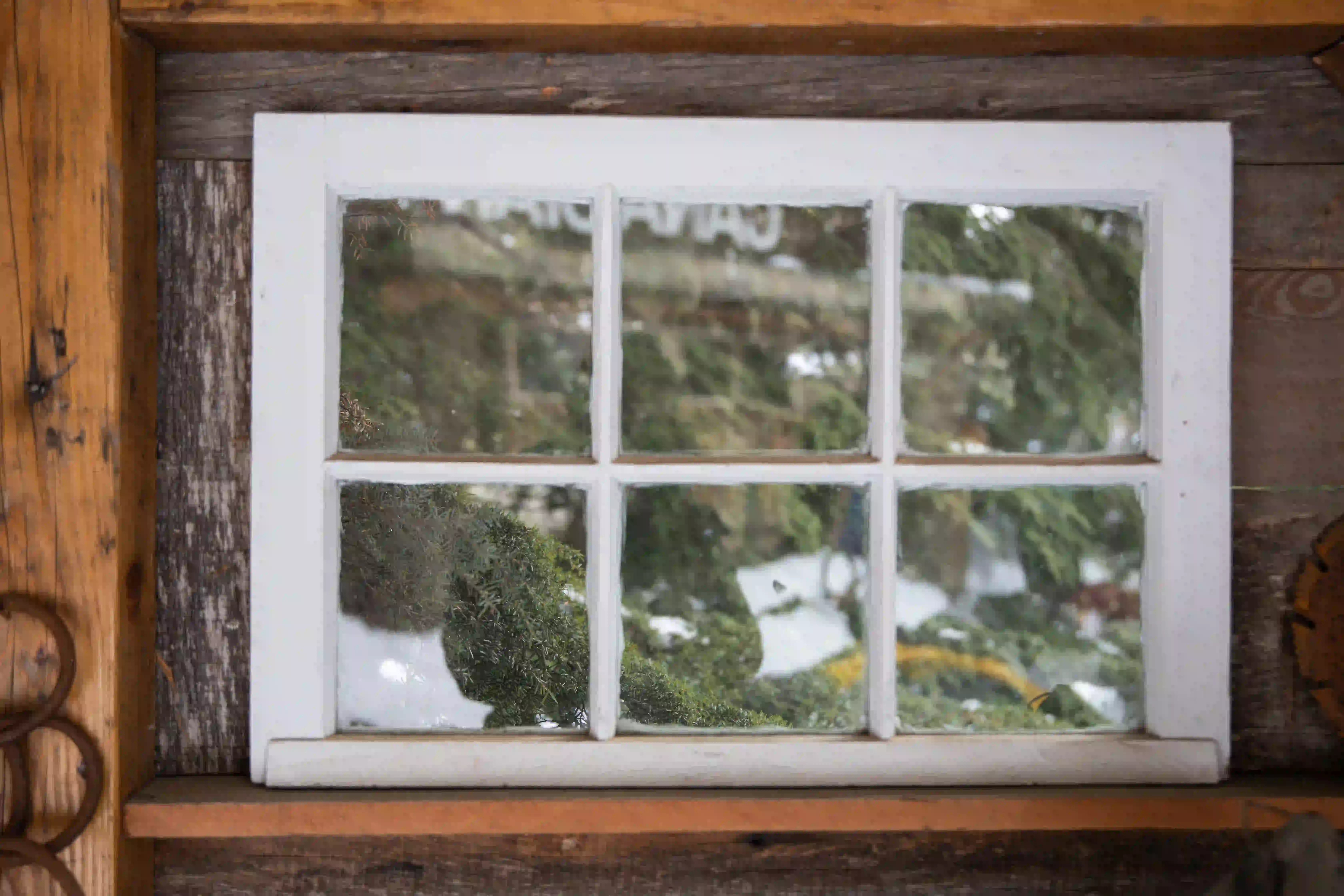
Old windows are often the largest source of energy loss in older Westchester County and Hudson Valley homes. Single pane wood windows from the 1920s through 1970s can lose three to five times more energy than modern double pane replacements. If your heating bills have increased steadily, your windows may be the reason — and replacing them is one of the highest return investments a homeowner can make.
How Single Pane Windows Lose Energy
Single pane windows have an R value around one, meaning they provide minimal insulation against temperature transfer. Double pane low E argon filled windows can reach R values of three to five depending on the manufacturer and installation quality. In a Westchester County winter where outdoor temperatures regularly drop below freezing, this difference translates directly into heating costs. Cold air infiltrates through deteriorated glazing compound, shrunken wood frames, and failed weatherstripping around the sash.
Warning Signs Your Windows Are Failing
Several signs indicate window energy failure beyond just feeling drafts. Visible condensation between glass panes in double pane windows means the seal has failed and the insulating gas has escaped. Frost forming on the interior glass surface in winter indicates extreme heat loss. Paint peeling around the frame interior signals chronic moisture infiltration. Windows that are difficult to open or close, rattle in wind, or allow visible light gaps around the frame are all signs that replacement has become necessary rather than optional.
Choosing Replacement Window Materials and Glass
Modern replacement windows offer multiple frame materials with different costs and performance levels. Vinyl windows are most affordable, low maintenance, and energy efficient but limited in color options. Fiberglass windows offer superior strength and insulation but cost significantly more. Wood clad windows preserve traditional aesthetics important in older Westchester homes while providing modern performance. Glass selection matters equally — low E coatings reduce solar heat gain in summer and heat loss in winter, and triple pane glass is increasingly available for extreme performance requirements.
Cost Versus Energy Savings Math
Window replacement is a significant investment but delivers measurable returns. A typical full house replacement of fifteen to twenty windows in a Westchester home runs from twelve thousand to thirty thousand dollars depending on window size, material, and installation complexity. Homeowners typically see heating and cooling bill reductions of fifteen to thirty percent annually after replacement. Beyond energy savings, new windows increase home value, reduce exterior noise, and eliminate the maintenance burden of deteriorating original windows that require constant painting, glazing, and weatherstripping.
Get Your Window Replacement
Estimate in New York
Ready to stop wasting money on drafty old windows? Schedule a free in-home consultation with Angelo General Contractor.